New Delhi, Aug 27: A flash flood in Nepal has raised concern in neighbouring Bihar as authorities closely monitor the water level of the Gandak river and remain alert to the possibility of increased downstream flow.
The flood situation in Nepal has caused significant disruption, with heavy water flow damaging roads, bridges and other infrastructure in affected areas. Rescue and relief operations are underway as authorities work to assist people affected by the disaster.
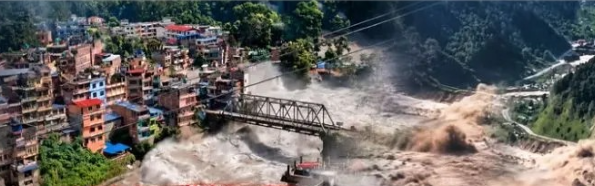
The situation is being closely watched in Bihar because rivers originating or flowing through Nepal eventually enter the state. The Narayani river in Nepal becomes the Gandak after entering India, making developments upstream important for communities living along the river in Bihar.
Authorities are monitoring water levels and the flow through the Valmikinagar barrage. Officials have been asked to remain prepared and keep a close watch on vulnerable areas, particularly those located near the river and in low-lying regions.
Any sharp increase in the Gandak’s water level could affect villages, farmland, roads and other infrastructure in parts of northern Bihar. Farmers could also face losses if floodwater enters agricultural fields, while prolonged flooding could disrupt transportation, local trade and access to essential services.
The flood has also created difficulties for Indians stranded in Nepal. State authorities have begun taking steps to assist residents who are unable to return because of damaged roads, disrupted transport and difficult conditions. Andhra Pradesh, among other states, has opened a control room in Delhi to coordinate assistance for its residents affected by the situation.
The disaster has highlighted the close link between Nepal’s weather and river conditions and flood risks in northern India. Since several rivers cross the Nepal-India border, heavy rainfall, sudden water releases or flash floods upstream can quickly affect downstream communities.
Apart from the humanitarian impact, prolonged flooding could have economic consequences. Damage to roads and bridges can disrupt movement of goods and people, while crop losses can affect rural incomes and local markets. Businesses in affected areas may also face temporary interruptions if transport links remain cut off.
Authorities in Bihar and other affected regions are continuing to monitor river levels and weather conditions. Emergency response teams and local administrations remain on alert, with the focus on preventing loss of life and ensuring timely evacuation and relief if the situation worsens.
The coming days will be crucial for Bihar as officials continue to track the Gandak’s water level and assess the impact of the continuing flood situation in Nepal.