Football, the world’s most popular sport, offers far more than recreation—it is a powerful platform for youth development, fostering physical growth, emotional resilience, and essential life skills. Its universal appeal enables young people from diverse backgrounds to come together, promoting inclusivity, teamwork, and a sense of community.
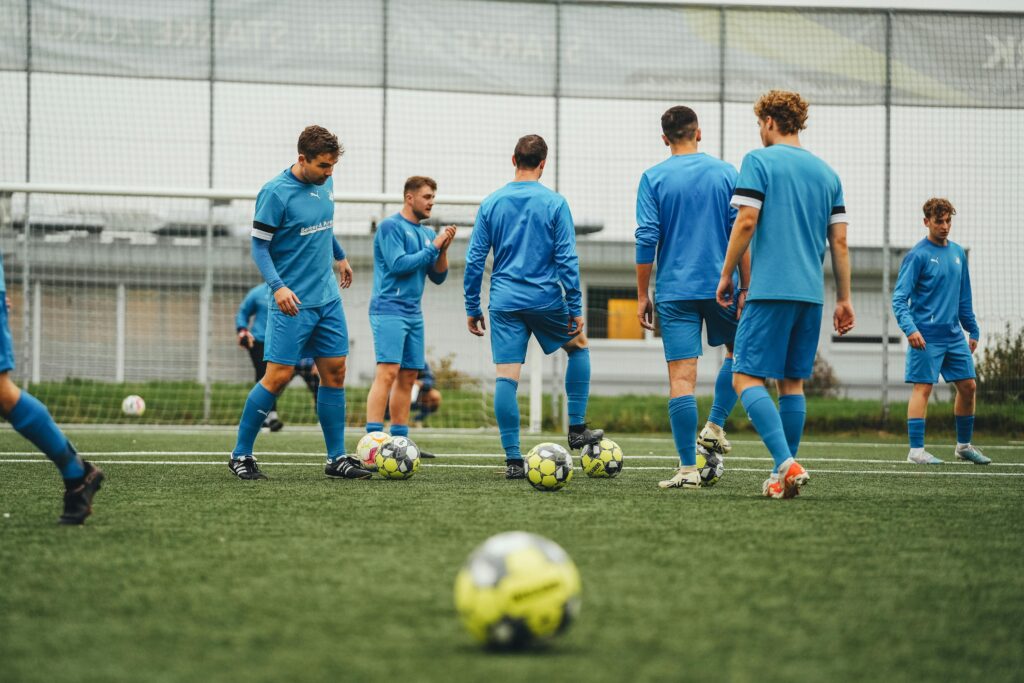
Physical Development Through Football
Engaging in football encourages regular physical activity, improving cardiovascular health, muscle strength, agility, and coordination. Players develop reflexes and body awareness through dynamic movement, while endurance and overall fitness benefit from the sport’s varied demands. Participation in football also instills discipline, as young athletes adhere to training schedules and work toward personal and team goals, cultivating lifelong healthy habits.
Mental Health Benefits
Football offers substantial mental health advantages. Physical activity and team engagement provide an outlet for stress relief, reducing anxiety and fostering focus. Achieving personal or team milestones boosts self-esteem and confidence, while the structured nature of training and competition strengthens concentration, discipline, and responsibility. These skills extend beyond the field, supporting academic performance and social development.
Social Skills and Teamwork
Football is inherently collaborative, teaching youth the importance of communication, trust, and empathy. Players learn to coordinate strategies, work toward shared objectives, and navigate interpersonal challenges. Leadership opportunities within the team nurture decision-making and confidence. Additionally, participation in community matches and tournaments fosters a sense of belonging, reinforcing social responsibility and community engagement.
Discipline and Goal Setting
Through consistent training, punctuality, and commitment, football instills discipline in young athletes. Goal setting—whether improving skills, fitness, or tactical understanding—encourages ownership of personal development. Navigating setbacks, such as losses or strong opponents, teaches perseverance, adaptability, and teamwork, all of which are transferable to academic, personal, and professional contexts.
Promoting Diversity and Inclusion
Football programs provide a platform for inclusion, bringing together youth from diverse cultural, socioeconomic, and gender backgrounds. Exposure to different perspectives fosters empathy, respect, and understanding. Initiatives targeting marginalized communities help break social barriers, creating opportunities for participation and lifelong connections that reinforce community cohesion.
Career Pathways Through Football
Participation in football can open diverse career avenues beyond playing professionally. Young athletes gain skills in leadership, teamwork, and strategic thinking, which are valuable in coaching, sports management, marketing, event organization, and fitness careers. These pathways allow youth to translate their football experiences into meaningful professional opportunities, ensuring the sport has long-lasting impact.
Challenges in Youth Football Development
Despite its benefits, youth football faces challenges. Limited access to facilities, equipment, and quality coaching can restrict participation, particularly in underprivileged areas. Financial barriers, such as registration fees and transportation costs, further limit opportunities. Additionally, the pressure to succeed can lead to burnout and anxiety. Addressing these obstacles through scholarships, community partnerships, and supportive programs is essential to ensure equitable access and positive experiences for all young athletes.
Conclusion: The Lasting Impact of Football
Football is more than a game—it is a developmental tool that nurtures physical fitness, mental resilience, social skills, and ethical values. Well-structured programs equip youth with the tools to navigate challenges, build confidence, and contribute positively to their communities. By investing in youth football initiatives, schools, organizations, and policymakers can foster holistic growth, promoting healthier, more engaged, and socially responsible generations.
The beautiful game, when leveraged effectively, lays the foundation for lifelong benefits both on and off the pitch, shaping young individuals into capable, confident, and compassionate members of society.