Media coverage is the process through which information about a business is shared with the public via different communication channels. It plays a powerful role in shaping how a company is perceived, influencing customer decisions, and strengthening overall brand reputation. In a world where information spreads rapidly, having a well-planned media presence is no longer optional—it is essential.
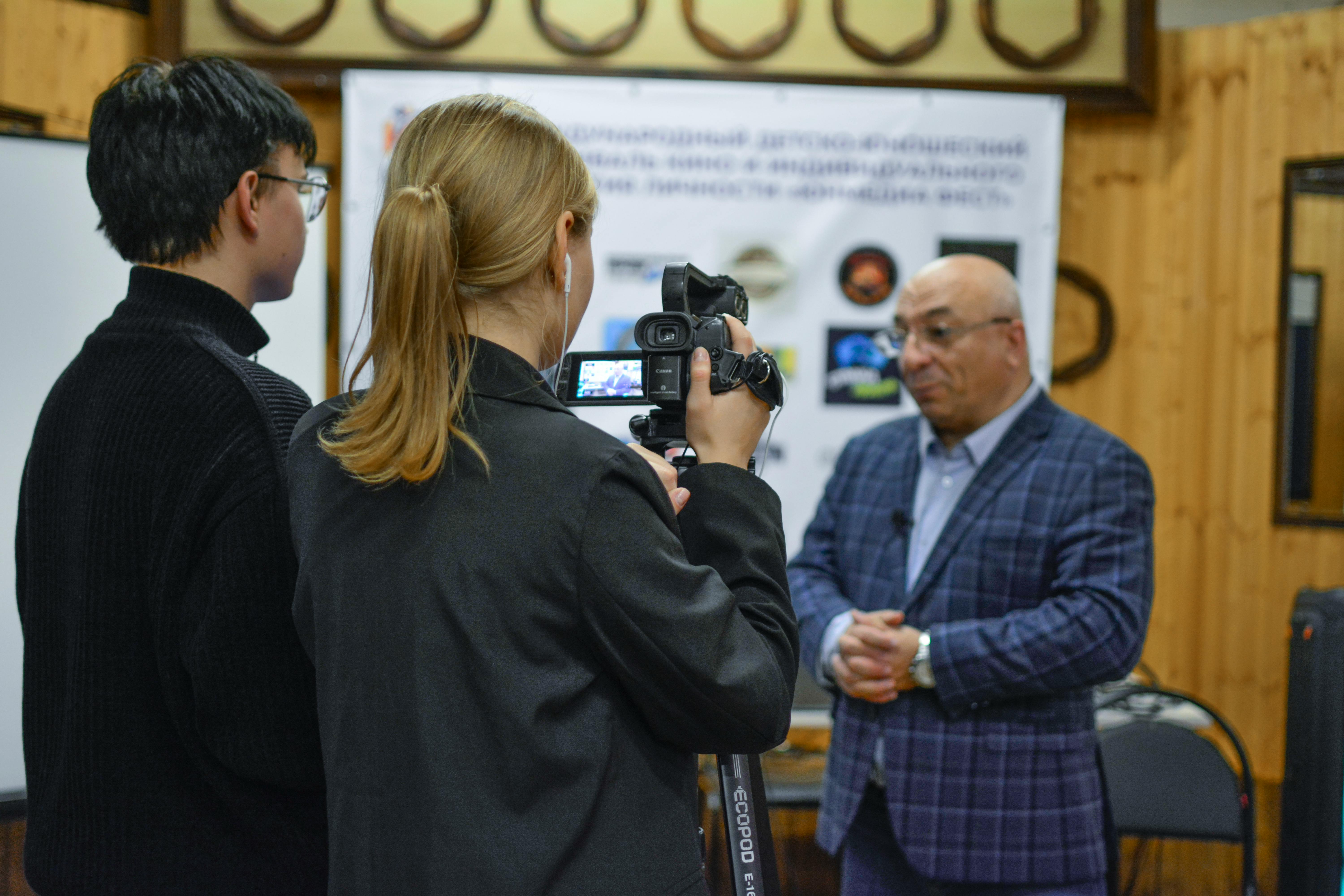
Types of Media for Business Visibility
Businesses can gain visibility through several types of media:
- Print platforms such as newspapers and magazines, which still appeal to audiences who value traditional formats
- Broadcast outlets like television and radio, offering wide and immediate reach
- Digital platforms, including social media, blogs, and online publications, which allow real-time interaction and global accessibility
Among these, digital media has become especially influential. It not only allows businesses to share information quickly but also enables direct engagement with audiences. Content created by users can further extend a brand’s reach, making online presence a critical component of modern branding solutions.
Understanding the Target Audience
An effective media strategy begins with knowing who the audience is. Businesses should divide their audience into segments based on factors such as age, location, income, interests, and lifestyle. This helps in delivering messages that feel relevant and personalized.
Beyond basic demographics, understanding attitudes, motivations, and preferences provides deeper insight into consumer behavior. Surveys, feedback, and data analysis can help uncover these details. With this knowledge, businesses can choose the most effective platforms and communication styles for each audience group.
Creating Strong Key Messages
Clear and impactful messaging is at the heart of successful media coverage. Messages should be:
- Simple and easy to understand
- Relevant to the audience and current context
- Emotionally engaging to leave a lasting impression
Stories, real-life examples, and relatable themes can make messages more memorable. Consistency is also crucial—every platform should reflect the same core ideas to build a strong and unified brand image.
Building Media Relationships
Strong relationships with journalists and media professionals can significantly improve coverage opportunities. Businesses should focus on genuine engagement rather than one-time interactions.
This can be achieved by:
- Connecting at industry events and networking opportunities
- Personalizing communication instead of sending generic pitches
- Providing useful information, insights, or expert opinions
- Staying in touch without being overly promotional
Showing appreciation for coverage also helps in maintaining long-term professional relationships.
Preparing a Press Kit
A press kit acts as a ready-to-use information package for media professionals. It should present the business clearly and professionally.
Key elements include:
- A brief overview of the company and its purpose
- Important facts, achievements, and milestones
- Profiles of key team members or spokespersons
- Recent updates or announcements
The design should be clean and visually consistent with the brand, making it easy for journalists to access and use the information.
Using Social Media Effectively
Social media has become a central tool for media visibility. It allows businesses to communicate directly with audiences and industry professionals.
Effective use includes:
- Engaging with journalists, influencers, and followers
- Sharing updates, announcements, and stories
- Using visuals like images and videos to increase attention
- Encouraging interaction and content sharing
A well-managed social presence can significantly boost reach and strengthen brand identity.
Evaluating Media Performance
To understand whether media efforts are successful, businesses must track their performance. Important indicators include:
- Reach: How many people saw the content
- Engagement: Interactions such as likes, shares, and comments
- Public perception: Whether the response is positive, negative, or neutral
- Business impact: Results such as increased sales or inquiries
Analyzing these factors helps refine future strategies and improve outcomes.
Managing Communication During a Crisis
Unexpected challenges can quickly attract media attention, making communication during crises extremely important. A clear and prepared approach can help protect a company’s reputation.
Key steps include:
- Sharing accurate information promptly
- Maintaining transparency and consistency
- Assigning a trained spokesperson
- Keeping stakeholders regularly informed
Proper handling of communication during difficult situations can build trust and demonstrate responsibility.
Emerging Trends in Media Coverage
Media strategies continue to evolve with changing technology and audience behavior. Some key developments include:
- Collaborations with influencers to reach targeted audiences authentically
- Use of advanced tools to analyze data and predict audience preferences
- Growing importance of new content formats such as short videos and podcasts
Businesses that stay flexible and open to innovation are more likely to remain competitive.
Conclusion
Media coverage is a vital element of modern business strategy. By understanding their audience, delivering clear messages, building strong media relationships, and adapting to new trends, companies can enhance their visibility and credibility. A thoughtful and flexible approach ensures long-term success in an ever-changing communication landscape.
