Mumbai, Sep 17: The Indian rupee remained under pressure on Thursday but recovered from an intraday fall below the Rs 96-per-dollar mark to end the session at Rs 95.94 against the US dollar, down 3 paise from the previous close.
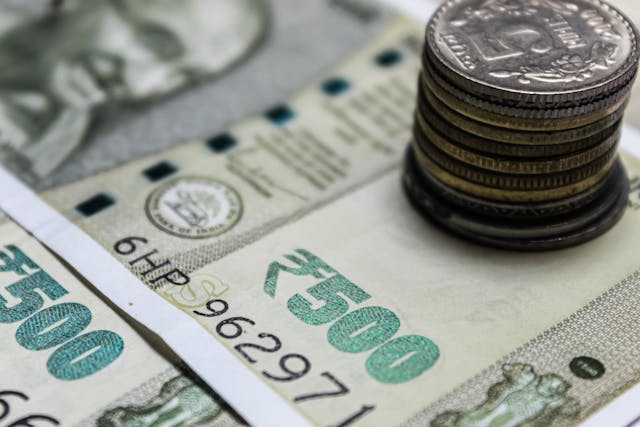
The domestic currency opened at Rs 95.88 and weakened to an intraday low of Rs 96.10 before recovering during the session. Market participants attributed part of the recovery to likely intervention by the Reserve Bank of India (RBI), which helped limit the rupee’s decline.
The rupee has been facing pressure from a combination of global and domestic factors. The latest increase in US interest rates strengthened the dollar and put pressure on several emerging-market currencies, while foreign fund outflows have added to demand for the US currency.
A modest decline in the dollar index and softer crude oil prices provided some support to the rupee during the session. Brent crude was trading around $104.47 a barrel, easing from recent levels.
The currency’s move below Rs 96 is significant for Indian businesses because a weaker rupee can raise the cost of imports. Companies that depend on imported crude oil, machinery, electronic components and other raw materials could face higher expenses if the currency remains under pressure.
Oil prices are particularly important for India because the country relies heavily on imports to meet its crude requirements. A weaker rupee combined with elevated global oil prices can increase the domestic cost of energy imports and put pressure on inflation and corporate margins.
Export-oriented businesses, however, can see a different impact from currency movements. A weaker rupee can increase the rupee value of overseas revenues, although the benefit depends on the company’s import costs, hedging strategy and overall exposure to international markets.
Trade-related uncertainty is also adding to the pressure on the currency. The US House of Representatives has advanced legislation that could allow tariffs of up to 100 per cent on countries purchasing Russian oil, including India, adding another layer of uncertainty to global trade and India’s energy outlook.
For investors, the rupee’s movement is also closely linked to foreign portfolio flows, US interest rates, crude oil prices and global risk sentiment. These factors are likely to remain important for the currency and Indian financial markets in the near term.
Despite the volatility, the rupee’s recovery from Rs 96.10 to close at Rs 95.94 shows that the currency found some support during the session. Market participants will continue to monitor global interest-rate signals, oil prices, foreign fund flows and trade developments for further direction.
The latest session highlights the challenges facing the rupee as global monetary policy and geopolitical developments continue to influence currency markets. For businesses, managing currency exposure and imported-cost pressures is likely to remain an important part of financial planning in the current environment.