
New Delhi, Aug 12: India’s retail inflation rose marginally to 4.45 per cent in July 2026, from 4.38 per cent in June, with food prices continuing to play a key role in the movement of consumer prices.
The latest figures indicate that inflation has remained above the Reserve Bank of India’s medium-term target of 4 per cent for a second consecutive month. However, the overall increase remains moderate, keeping price pressures within a manageable range for now.
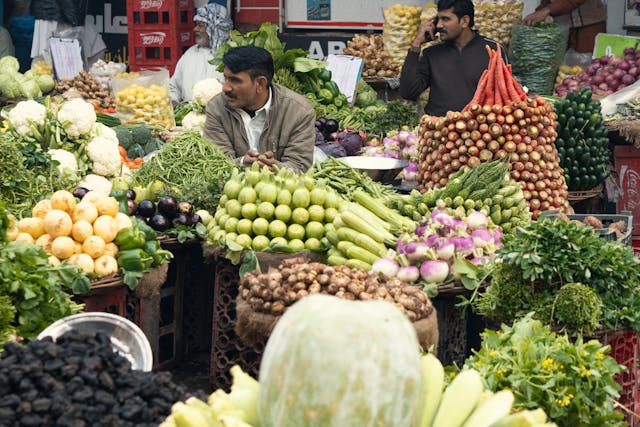
Food inflation rose to 5.52 per cent in July, compared with 5.32 per cent in June. Since food accounts for a significant share of household spending, changes in prices of essential items can have a direct impact on family budgets.
Retail inflation was higher in rural areas, at 4.84 per cent, while urban inflation stood at 3.96 per cent. The difference reflects the greater influence of food and essential commodity prices on rural household expenses.
The latest inflation data will be closely watched by policymakers, particularly as food prices remain sensitive to weather conditions, agricultural supplies and changes in transportation costs. A stable supply of essential commodities could help moderate price pressures in the coming months.
Energy prices will also remain an important factor. Changes in global crude oil prices can affect transportation and production costs and, in turn, influence prices across the wider economy.
For consumers, the impact of inflation is often felt most directly through everyday purchases. Even a modest rise in food prices can make a noticeable difference to monthly household spending, particularly for families with limited room in their budgets.
The July figures also come as the Reserve Bank of India continues to balance inflation management with the need to support economic activity. The central bank has kept its benchmark repo rate at 5.25 per cent, while monitoring developments in prices and growth.
The latest data does not point to a sharp acceleration in inflation, but it does highlight the need for continued monitoring. Food prices, weather conditions and global commodity movements will be important in determining how inflation develops over the next few months.
For now, India’s inflation picture remains relatively stable, although the firming of food prices means households and policymakers will continue to keep a close watch on the cost of essential goods.