
Technical skills form the backbone of any football player’s journey toward success. Core abilities such as dribbling, passing, shooting, and ball control significantly influence performance on the field. Mastering these skills not only elevates individual gameplay but also strengthens team coordination and overall strategy.
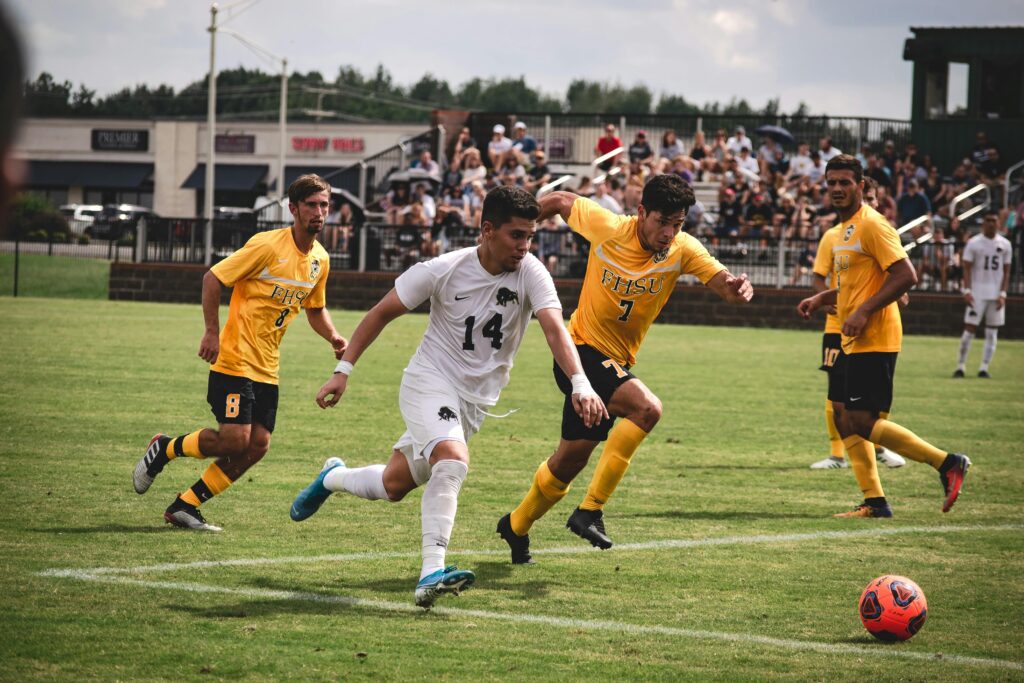
Dribbling allows players to navigate past defenders while maintaining control of the ball. Proficient dribblers can create scoring opportunities, support offensive plays, and manipulate the opponent’s defense. Techniques like feints, quick changes of direction, and precise ball handling enhance agility and control.
Passing requires precision and timing to maintain fluid gameplay. Effective passing helps teams move the ball strategically, setting up attacks and reinforcing coordination. Players should practice a variety of passes—short, long, and through balls—while adapting to high-pressure situations.
Shooting is essential for converting possession into goals. Developing the ability to strike from different distances and angles, using volleys, headers, or ground shots, enhances scoring potential and can determine match outcomes.
Ball control underpins all other technical skills. Receiving, managing, and maneuvering the ball—even in tight spaces—is crucial for maintaining play and supporting team strategy. Consistent practice builds confidence, consistency, and readiness for complex in-game scenarios.
Tactical Awareness: Reading the Game
Tactical awareness is a key attribute for football players, encompassing an understanding of formations, positioning, and game flow. Players who anticipate opponents’ strategies, recognize tactical opportunities, and align their actions with team objectives gain a competitive advantage.
Formations such as dictate player responsibilities and team dynamics. Understanding each formation’s strengths and weaknesses allows athletes to exploit gaps in the opposition’s structure while maintaining defensive integrity.
Opponent analysis is equally vital. Observing opponents’ movements and tendencies—through video analysis or practice drills—helps players anticipate plays and respond effectively.
Enhancing tactical awareness involves situational drills, regular game review, and feedback from coaches and teammates. Players who sharpen this skill improve decision-making and contribute more strategically to the team.
Physical Fitness: Endurance, Speed, and Strength
Physical fitness is essential for sustaining performance throughout a football match. Attributes like endurance, speed, agility, and strength determine a player’s ability to compete effectively.
Endurance allows players to maintain energy and effectiveness over 90 minutes of play. Speed and agility enable quick reactions, evasive maneuvers, and better positioning during high-paced moments. Strength—both upper and lower body—supports ball control, shielding, and aerial challenges.
A comprehensive training regimen should include cardiovascular workouts, resistance training, and flexibility exercises. High-intensity interval training (HIIT) enhances stamina, while strength and flexibility routines build resilience and prevent injuries.
Mental Toughness: The Psychological Edge
Football demands more than physical skill; mental resilience is equally critical. Focus, confidence, and pressure management can distinguish exceptional players from average ones.
Focus enables players to process information quickly and make sound decisions in dynamic situations. Resilience helps athletes recover from setbacks, whether through injuries or defeats. Handling pressure through techniques such as visualization and controlled breathing allows players to perform at their best under stress.
Cultivating mental toughness requires goal-setting, positive self-talk, mindfulness, and consistent feedback. Players who strengthen these skills enhance their competitive edge and consistency on the field.
Communication Skills: Building Team Cohesion
Effective communication ensures smooth coordination and teamwork. Verbal cues (calls, instructions) and nonverbal cues (gestures, eye contact) help players anticipate movements, organize formations, and execute strategies efficiently.
Strong communication fosters camaraderie, trust, and unity, improving morale and teamwork both on and off the field. Players who excel in communication often demonstrate higher situational awareness and contribute to a supportive team environment.
Leadership Skills: Inspiring Through Action
Leadership is integral to motivating teammates and fostering a high-performing team culture. Effective leaders lead by example, demonstrating accountability, integrity, and a strong work ethic.
Motivating teammates, resolving conflicts, and making decisive choices enhances both individual and team performance. Mentorship and guidance from seasoned players support younger athletes’ growth, instilling resilience, discipline, and confidence.
Adaptability: Navigating Changing Situations
Football is unpredictable, and adaptability is key to overcoming dynamic challenges. Players must adjust tactics, positioning, and strategy based on opponents, game situations, and environmental conditions.
Opponent analysis and scenario-based training prepare athletes to modify their approach during matches. Developing mental resilience alongside situational awareness ensures players can handle unexpected setbacks or shifts in game momentum.
Game Intelligence: Understanding Match Dynamics
Game intelligence involves reading the flow of play, anticipating opponent moves, and making informed decisions under pressure. Analytical observation, match study, and scenario practice strengthen a player’s decision-making and situational understanding.
Players with strong game intelligence contribute to both personal performance and overall team cohesion. By mastering this skill, athletes can strategically exploit opportunities and mitigate risks during high-stakes moments.
Continuous Learning: A Growth Mindset
Success in football requires a commitment to lifelong learning. Players should consistently evaluate their performance, seek feedback, and refine their skills.
Coaching and mentorship offer guidance on techniques and strategies, while self-reflection enables players to identify areas for improvement. Embracing a growth mindset ensures ongoing skill development, adaptability, and long-term success in a highly competitive sport.
Conclusion
Becoming a successful football player demands a holistic approach that integrates technical abilities, tactical understanding, physical fitness, mental toughness, communication, leadership, adaptability, game intelligence, and continuous learning. Players who actively cultivate these skills are better equipped to excel individually, elevate their teams, and achieve sustainable success on the field.