
The Deaf Cricket Asia Cup 2026 represents a historic breakthrough for inclusive sport in Asia. As the first tournament of its kind on the continent, the event aims to highlight the talent, resilience, and competitive excellence of deaf cricketers from across Asia. More than just a championship, the tournament symbolizes progress toward greater accessibility, representation, and empowerment for athletes with hearing impairments. bringing together national teams from multiple countries, the Asia Cup will provide players with a prestigious international platform to showcase their abilities. Participation in competitive sport not only strengthens physical and mental well-being but also fosters confidence, teamwork, and social connection. At the same time, the event raises public awareness about the challenges and achievements of the deaf community, inspiring future generations to pursue sport without limitation.
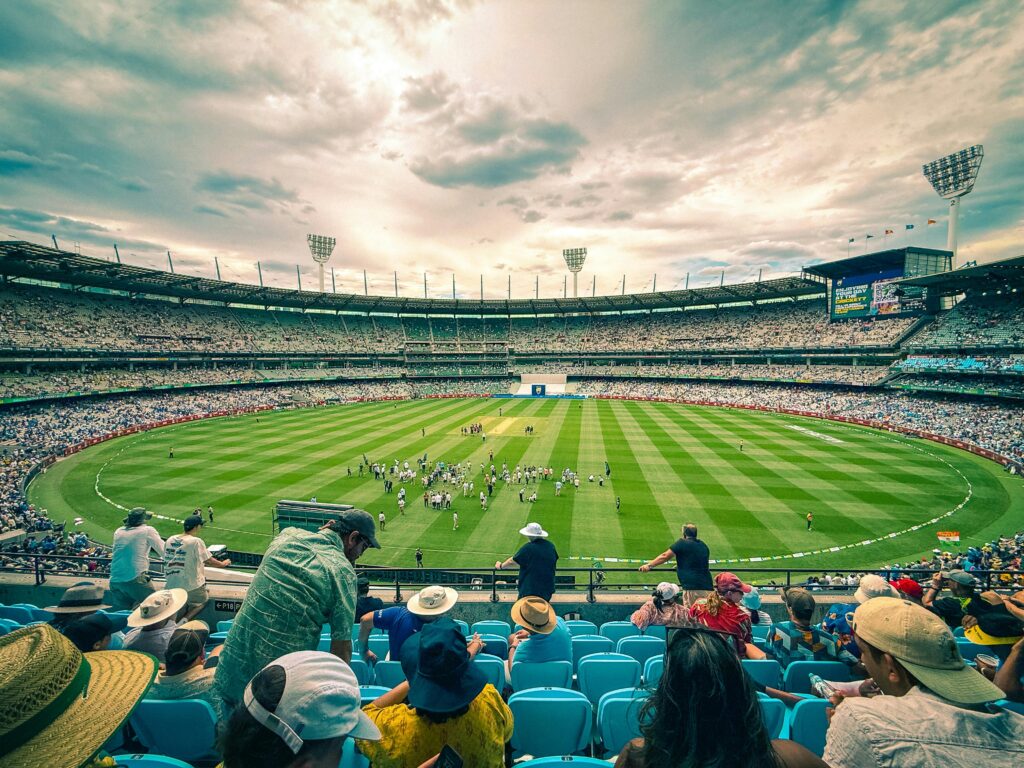
Barabati Stadium: A Historic Host
The tournament will be staged at the iconic Barabati Stadium, a venue long associated with Indian cricketing heritage. Located in Cuttack, the stadium has hosted numerous domestic and international fixtures and remains a symbol of the region’s passion for sport. For the 2026 Asia Cup, the stadium is undergoing enhancements to ensure a fully inclusive experience. Infrastructure upgrades focus on improved accessibility, clear visual communication systems, multi-language signage, and specialized support services. These measures go beyond compliance—they reflect a commitment to creating an environment where every athlete and spectator feels welcome and valued.
Advancing Deaf Sports in India
In recent years, India has witnessed growing momentum in promoting sports for individuals with disabilities. The Deaf Cricket Asia Cup stands as a testament to these efforts. By offering international exposure, the tournament strengthens the visibility of deaf athletes and encourages greater institutional support.Sport provides powerful social benefits for the deaf community. It builds confidence, strengthens communication skills, and creates lifelong bonds among teammates. Competitive platforms such as this also challenge outdated perceptions about disability, reinforcing the message that determination and talent transcend physical limitations.
Preparation, Accessibility, and Innovation
Extensive preparations are underway to ensure the event runs smoothly. Accessibility initiatives include visual alert systems for announcements, clearly marked navigation pathways, trained support staff, and enhanced digital communication tools. Collaboration with disability-rights organizations has further strengthened planning efforts, ensuring the needs of players and fans are fully addressed.These preparations highlight a broader vision: to set new standards for inclusive sporting events in India and beyond.
Participating Teams and Competitive Spirit
The inaugural edition is expected to feature strong cricketing nations from across Asia, including traditional powerhouses such as India, Pakistan, Sri Lanka, and Bangladesh. Each team brings a rich cricketing background and a growing pool of talented deaf athletes.While competition for the title will be intense, the tournament’s deeper objective lies in unity and shared passion for the game. The Asia Cup provides an opportunity for athletes to gain recognition, inspire young players within the deaf community, and demonstrate excellence on an international stage.
Community Engagement and Cultural Celebration
The event has generated excitement throughout Cuttack. Local businesses, schools, and volunteers are actively supporting preparations, reflecting widespread community pride. Hospitality sectors anticipate increased tourism, while educational institutions are organizing awareness programs to promote understanding of deaf sports and inclusivity.Cultural celebrations are also expected to accompany the tournament, showcasing Odisha’s rich heritage through music, dance, and traditional arts. These festivities will reinforce the message that sport can unite communities across languages, abilities, and backgrounds.
Media Attention and Global Recognition
Media coverage—both national and international—is helping amplify the tournament’s impact. Feature stories, athlete interviews, and digital campaigns are bringing attention to deaf cricket on an unprecedented scale. Social media platforms, in particular, are fostering global conversations about accessibility in sport and celebrating the achievements of deaf athletes.This visibility not only enhances the prestige of the Asia Cup but also contributes to long-term growth and recognition for deaf cricket worldwide.
Conclusion
The successful hosting of the Deaf Cricket Asia Cup 2026 could mark the beginning of a new era. Increased awareness may lead to expanded grassroots programs, stronger institutional backing, and a more structured international calendar for deaf cricket. Greater sponsorship opportunities and policy support could further elevate the sport’s professional standards.Most importantly, the tournament has the potential to reshape societal attitudes. By placing deaf athletes at the center of a major international event, it reinforces the principle that sport belongs to everyone. The Asia Cup is not only about competition—it is about inclusion, dignity, and equal opportunity.