
In sports, injuries impact more than just the athlete—they affect team dynamics, performance, and finances. Beyond the visible physical damage, injuries can cause anxiety, depression, and fear of re-injury, slowing recovery and reducing performance. A key player’s absence can disrupt team chemistry, force role adjustments, and require strategic changes, affecting overall cohesion and results. Financially, injuries can strain budgets through treatment costs and lost revenue from ticket sales, sponsorships, or reduced athlete earnings, highlighting their far-reaching effects on both individuals and organizations.
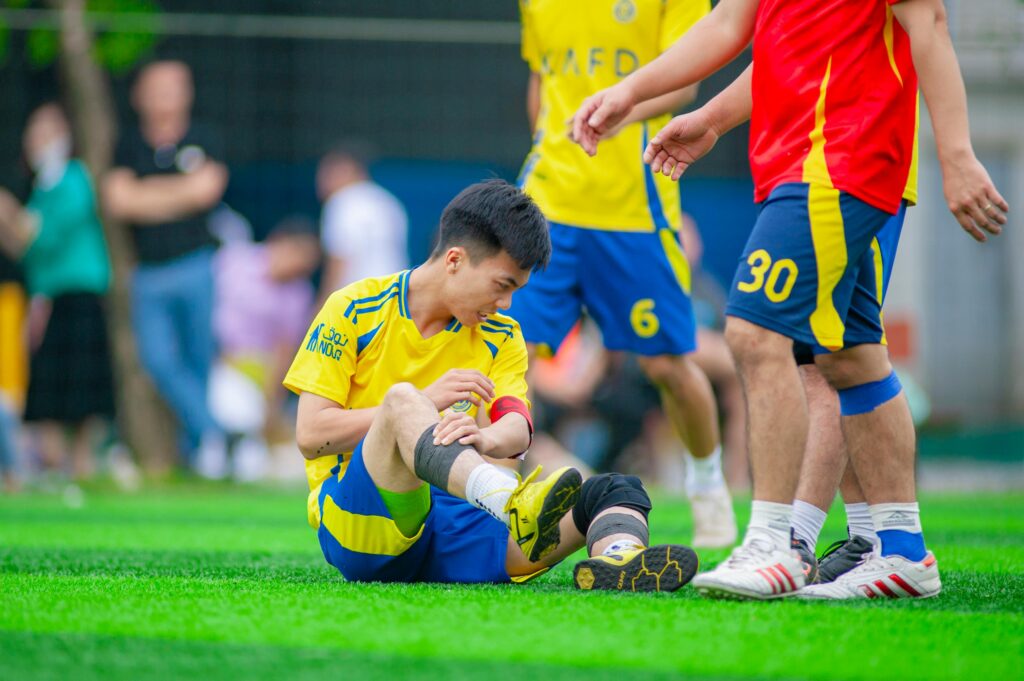
The Physical Toll: Types of Injuries
Athletes face a wide range of injuries, each presenting unique challenges:
-
Sprains occur when ligaments are overstretched or torn, often from sudden movements or collisions. Recovery may take days to weeks depending on severity.
-
Fractures involve broken bones, typically from high-impact contact or falls. Rehabilitation can take months, sometimes requiring surgery.
-
Concussions are traumatic brain injuries resulting from blows to the head or body. Recovery varies widely, and proper management is crucial to avoid long-term complications.
Psychological Effects: Beyond Physical Pain
Injuries often impact athletes mentally as much as physically. Many experience depression, anxiety, or a loss of identity when sidelined, particularly if their self-worth is closely tied to performance. Fear of re-injury, known as kinesiophobia, can inhibit an athlete’s ability to return confidently to competition. Support systems—coaches, teammates, and mental health professionals—play a vital role in recovery. Techniques like mindfulness, cognitive behavioral therapy, and structured goal-setting can help athletes maintain motivation, rebuild confidence, and overcome the emotional barriers associated with injuries.
How Injuries Affect Performance
Injuries disrupt more than just individual careers—they can significantly alter team performance. A key player’s absence may force teammates into unfamiliar roles, upsetting established chemistry. Morale can suffer, especially if the injured player holds leadership responsibilities.Coaches must adapt strategies to compensate for absences, which can challenge team cohesion. The combined impact of disrupted roles, morale shifts, and tactical adjustments can temporarily hinder performance and affect results on the field.
Career Trajectories: Long-Term Implications
Injuries can shape the trajectory of an athlete’s career. Severe injuries may diminish physical capabilities, shorten career longevity, or alter playing style. High-profile examples, such as NBA star Derrick Rose, highlight how a single injury can influence performance and opportunities long-term. Conversely, athletes like Tom Brady demonstrate that resilience, adaptation, and careful management can mitigate long-term impact.Decisions during rehabilitation—whether to return quickly or allow complete recovery—significantly influence future prospects. Athletes supported by comprehensive medical and coaching guidance are better positioned to navigate the delicate balance between performance and recovery.
The Role of Sports Medicine
Sports medicine is crucial in preventing and managing injuries. It integrates physicians, physical therapists, athletic trainers, and other specialists to optimize athlete safety and performance.Preventive measures include conditioning programs, strength and flexibility training, and biomechanical assessments to reduce injury risk. Post-injury, rehabilitation may involve advanced techniques like cryotherapy, electrical stimulation, and regenerative therapies, enabling athletes to return safely and efficiently. Proactive engagement with sports medicine professionals empowers athletes to maintain peak condition and minimize the chance of future injuries.
Financial Implications
Injuries often carry significant financial consequences. Treatment, rehabilitation, and long-term care can be costly for athletes and teams. Insurance may not always cover the full scope of expenses.Extended absences can reduce an athlete’s earnings, sponsorship deals, and future contract opportunities. Teams also face financial strain when replacing injured players, highlighting the interconnected economic impact of sports injuries.
Supporting Injured Athletes
Recovery extends beyond physical rehabilitation. Community support, mentorship programs, and positive media coverage are vital. Grassroots initiatives, peer mentorship, and highlighting successful comebacks in the media help injured athletes maintain motivation, rebuild confidence, and reintegrate smoothly into their sport.
Conclusion
While injuries are an inevitable part of sports, they offer opportunities for growth. Rehabilitation challenges athletes to adapt, fostering mental resilience and a deeper appreciation for their sport. Teams learn to navigate role adjustments and morale management, strengthening cohesion in the process. Ultimately, injuries shape careers, team dynamics, and even the culture of sports. By addressing physical, psychological, and social dimensions, stakeholders can ensure athletes recover safely, continue to perform, and emerge stronger, enriching the world of sports with stories of resilience and perseverance.